A Practical Review of the Floral Medical Symbol Embroidery Design
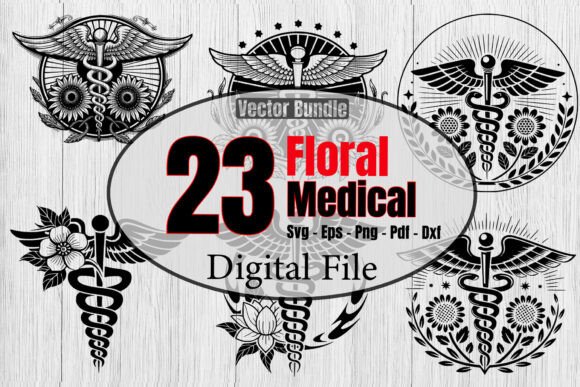
When you’re browsing digital designs for a project, you know a good one immediately. It’s not just about aesthetics; it’s about how it will translate from screen to stitches. This Floral Medical Symbol design, blending the classic caduceus with soft, natural blooms, has a specific charm that deserves a practical look from an embroidery perspective.
The Immediate Mood & Where It Naturally Belongs
My first impression was one of softened professionalism. The design takes a symbol often associated with clinical authority and injects warmth and personality through the floral elements. The layout feels balanced, with the flowers acting as decorative accents rather than overwhelming the central symbol. This creates a visual personality that is both recognizable and gentle.
This is not a design for a stark, institutional setting. It belongs on products meant for personalized gifts, small shop merchandise, and items that celebrate the caring side of medical professions. Think of a nurse receiving a custom embroidered tote bag for her daily commute, or a newly graduated doctor’s name added beneath this symbol on a sweatshirt. It would excel as a centerpiece for baby items in a nursery-themed for a healthcare worker, or as a delicate emblem on a kitchen towel or apron—a gift that acknowledges a profession beyond the workplace.
How It Translates to Stitched Real-Life Projects
In real-life embroidery situations, this design’s success hinges on its detail level. For custom apparel like t-shirts and sweatshirts, the floral details will need careful stitching to maintain clarity. On a dark fabric, the contrast between the symbol and the flowers will be crucial; you’ll want to test thread colors on scrap fabric first. For smaller items like caps or embroidered patches, the overall size must be considered. The design might lose the delicacy of the flowers if scaled down too much for a small hoop size.
It shines on stable, medium-weight fabrics. A tote bag or pillow cover would be ideal canvases, allowing the fill stitches in the floral elements to look lush without puckering. For baby clothes, choosing a less textured fabric and using a proper stabilizer is key to ensure comfort and durability after frequent washing.
Where to Use This Design Carefully
Any experienced embroiderer knows that not every design fits every context. The intertwined lines of the medical symbol and the floral accents mean there are areas to watch. On stretchy fabric or thin fabric without adequate stabilizer, the stitch density in the flowers could pose a challenge. The small, detailed corners of the symbol and the potential tiny lettering if you add text require a sharp machine and good thread tension.
For curved surfaces like caps, the elongated shape might need slight adaptation to fit the curvature without distortion. Also, on highly textured fabrics like some blankets, the finer details might not read as clearly, affecting the overall visual appeal and professionalism of the finished product.
Its Impact on Your Product’s Value & Appeal
From a business and gift perspective, this design does important work. For craft business owners and Etsy sellers, it elevates a simple product. An embroidered patch with this symbol feels more thoughtful than a plain one. It adds handmade presentation and a layer of meaning, which builds customer trust and engagement. It tells a story.
For personalized gifts, it increases giftability and recognition instantly. The recipient sees their profession honored in a beautiful, non-generic way. For small shop product lines, using such a design consistently can aid in brand consistency for a boutique focusing on healthcare-themed holiday gifts or wedding gifts for medical professionals. Even in digital product previews and printable mockups for your listings, a well-executed version of this design signals quality.
Practical Notes for the Embroidery Designer
Before you commit this to a client project or your own finished product, here’s my standard advice. Always test the design on scrap fabric first. This allows you to review the actual stitch density, check thread color contrast, and inspect how the small details emerge. Run it in both light and dark fabric backgrounds to see how it performs.
Confirm the hoop size needed by examining the design dimensions in your software—don’t assume. Since specifics like exact stitch count or file formats weren’t provided in the description, you must check these details in the downloaded files before proceeding. This is crucial for machine embroidery design compatibility.
Most importantly, understand the license. Before selling any finished items or using the design in commercial embroidery projects for clients, confirm whether the embroidery file is cleared for personal and commercial projects. This protects your craft business and respects the digital asset creator.
This Floral Medical Symbol design is a lovely graphics asset for the crafts community. Its real value is realized when you thoughtfully match it to the right project, prepare your materials correctly, and stitch it with an eye for preserving its unique, warm-hearted professionalism.