A Review of Hospital Elevator Line Art for Embroidery Projects
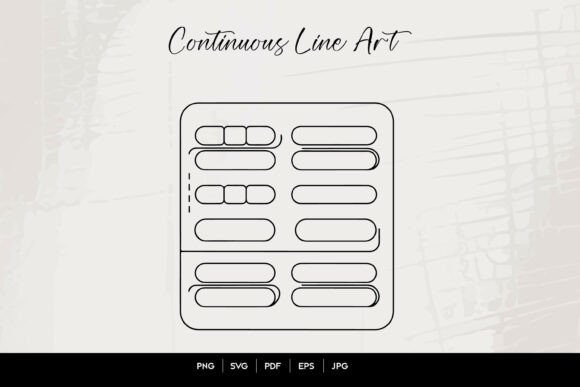
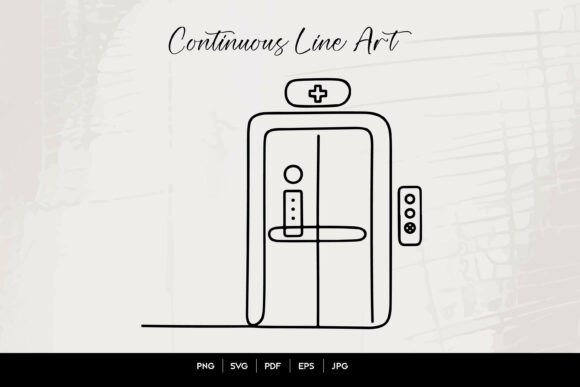
Let’s talk about the Hospital Elevator Line Art design from the perspective of someone who’s about to load it into an embroidery machine and stitch it onto real fabric for a real project. This isn't just a graphic file; it’s a potential centerpiece for a custom tote, a thoughtful gift, or a piece of boutique merchandise. My first impression is that this is a clean, modern, and quietly meaningful illustration. It’s a continuous line drawing of a hospital elevator door, which creates a mood of calm, order, and care. The single-line approach gives it a minimalist visual personality, feeling more like a thoughtful icon than a busy scene.
Where This Design Finds Its Natural Home
The simplicity of the line work makes this design incredibly versatile for embroidery. It naturally belongs to projects where subtlety and theme matter more than flashy detail. I immediately picture it on a custom embroidered tote bag for a nurse, or a nicely stitched pillow cover for someone recovering at home. It would be a perfect, understated element on a baby blanket for a child born in that hospital, or as a small emblem on the sleeve of a sweatshirt. For small business owners, especially those in the healthcare gift niche, this design could become a core part of their product line—think aprons for hospital volunteers, caps for clinic staff, or elegant tea towels for a doctor’s kitchen.
Because the design is a clear icon, it also works beautifully as an embroidered patch. A well-made patch with this elevator line art could be attached to a backpack or a journal, serving as a recognizable symbol for medical professionals or as a gift for someone who spends a lot of time in hospitals. For Etsy sellers and creative entrepreneurs, this graphic provides a ready-made asset for creating printable mockups or for branding their own healthcare-themed craft businesses.
Considering Stitching Performance and Practical Fit
In real-life embroidery situations, the continuous line drawing presents both an opportunity and a caution. The opportunity is its clarity. On a solid-color sweatshirt or a canvas tote bag, the line will stitch out cleanly, likely using a running stitch or a light satin stitch outline, creating a crisp, graphic look. It won’t have dense fill stitch areas, so stitch density should be manageable, making it suitable for a variety of fabrics, including thinner materials like cotton for pillow covers or linen for kitchen towels.
The caution lies in its detail level. The corners of the elevator door and the potential small details like the door seam or a suggested button panel need attention. On very small hoop sizes, or on textured fabrics like some blankets, these fine lines might lose definition. On stretchy fabric like some t-shirts, using proper stabilizer is absolutely key to keep the lines from distorting. Embroidering this on curved surfaces like caps requires careful placement to ensure the rectangular shape of the elevator doesn’t look warped.
Dark fabric is an interesting test. A white or light-colored thread will make this design pop, but the single line might feel more delicate on a black background. It’s wise to test it in both light and dark fabric mockups to see which version aligns with your product vision.
How This Design Influences Your Finished Product’s Appeal
Using Hospital Elevator Line Art affects your project in specific ways. For visual appeal, it adds a professional, graphic design quality. It’s not a cartoon; it’s an illustration. This boosts perceived product value and customer trust, especially for buyers looking for a sophisticated handmade presentation. It supports brand consistency for a shop focused on medical, caregiving, or institutional themes.
Its giftability is high. It’s a recognizable symbol without being overly sentimental, making it a strong choice for holiday gifts, wedding gifts for healthcare couples, or personalized products for medical graduates. For buyer engagement, it tells a quiet story. Someone browsing an Etsy listing or seeing this on a craft fair product will understand its meaning immediately, which can create a quicker, more emotional connection than a generic design.
Practical Notes for the Embroidery Designer
Before you stitch this onto a final product, here are my grounded recommendations. Always test the embroidery file on scrap fabric first, ideally the same material you plan to use for your project. This lets you check thread color contrast and see how the lines actually translate into stitches. Review the stitch density in your machine software; since it’s line art, you want to ensure the path isn’t so dense that it puckers the fabric.
Confirm your hoop size. While the design likely isn’t enormous, you need a hoop that can accommodate it without forcing you to shrink it to a point where details blur. Inspect the small details in the test stitch—are any corners too tight? Does the continuous line have any awkward jumps that might need a slight manual adjustment?
Crucially, check the licensing provided with the files. The product includes SVG, PNG, EPS, PDF, and JPG formats, which is great for flexibility. But before selling finished items or using this in commercial embroidery projects, confirm the license terms. Does it allow for physical product sales? Does it cover digital product sales if you’re creating your own derivative mockups? Never assume.
For commercial use, this design is a solid asset. It’s clean enough for professional apparel decorators making uniforms or branded items for medical offices. It’s also gentle enough for baby embroidery on nursery decor items. Remember, the success of the final embroidered product hinges on your execution—the right stabilizer, the thoughtful thread choice, and the appropriate product pairing.
Final Thoughts Before You Hoop Your Fabric
The Hospital Elevator Line Art is a thoughtful, well-executed graphic. Its strength in embroidery comes from its simplicity and thematic resonance. It won’t be the loudest design in your collection, but for the right project—a custom apron for a retiring doctor, a tote bag for a hospital volunteer, a patch for a medical student’s jacket—it will be the perfect, meaningful touch. It elevates a craft from merely decorative to personally significant. Approach it with a practical eye: test it, respect its lines, and pair it with products that benefit from its calm, institutional vibe. When stitched well, it will look professional, gift-ready, and quietly impactful.