A Stitch of Respect: Embroidery Design Review
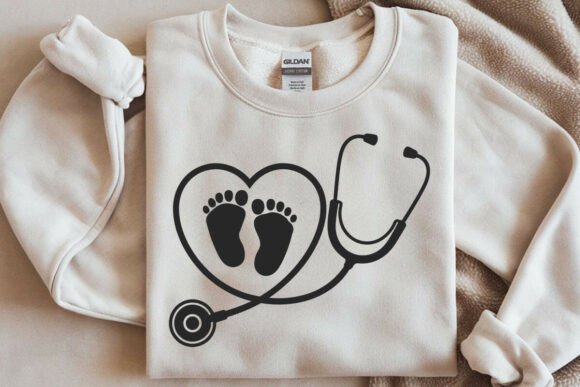
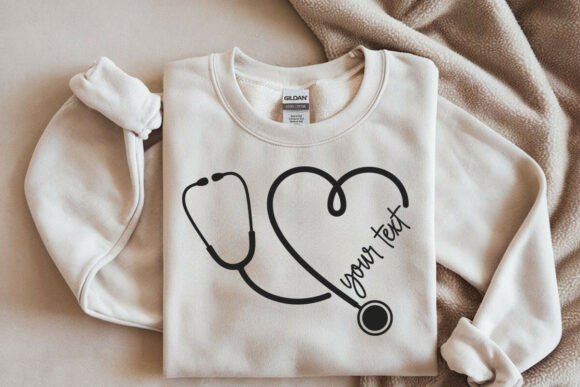
When a new embroidery file lands on your screen, the first question isn't about the file format. It's about the story it tells and the hands it will pass through. The Heart Stethoscope SVG design landed with a quiet, resonant confidence. It’s not a loud, flashy graphic. It's a symbol—a clear, classic stethoscope coiled around a simple, solid heart. The mood is instantly respectful, appreciative, and warmly professional. For a designer thinking about real projects, this isn’t just a graphic; it’s a potential centerpiece for gifts and products meant to carry genuine sentiment.
Where This Design Finds Its Home
The layout is clean and balanced, with enough detail in the stethoscope tubing to look recognizably real, but not so overly intricate that it becomes a stitching challenge. This makes it wonderfully versatile. My mind immediately went to a custom embroidered tote bag for a nurse finishing a tough rotation. The design’s dignified personality would elevate a simple canvas bag into a meaningful, everyday carry. It’s equally suited for the left chest of a premium sweatshirt—a subtle, high-value personalization for a medical professional. I pictured it on a baby’s onesie for a pediatrician parent, or as a perfectly sized patch on a well-loved apron in a clinic kitchen.
For small business owners and Etsy sellers, this is a strong commercial design asset. It taps into a universally respected profession without being cliché. Products featuring this embroidery—like pillow covers for a nurse’s break room, tea towels in a doctor’s home kitchen, or framed hoop art for office decor—carry an inherent giftability and recognition. They feel thoughtful, not generic.
The Real-Life Embroidery Scenario
Let’s walk through a typical project. Say you’re preparing a custom embroidered cap for a graduate from nursing school. You’ve got the Heart Stethoscope SVG file loaded. The first practical note is size. The design has a heart and curved tubing. On a curved cap surface, you’d want to ensure the overall hoop size is appropriate to keep those curves looking smooth, not distorted. A medium-sized hoop would likely handle it well, but this is where testing on scrap fabric—or even a spare cap—is non-negotiable. You’d check the stitch density, especially in the solid heart fill stitch area. On a structured cap fabric, a dense fill might feel overly stiff; you might adjust your machine settings for a slightly lighter fill to maintain comfort and flexibility.
Thread, Fabric, and Visual Clarity
Visual appeal in embroidery hinges on clarity. This design, with its two clear elements, thrives on contrast. On a light fabric, a deep burgundy or classic blue for the heart against a black or gray stethoscope would make it pop with professionalism. On dark fabrics, you’d need to think carefully about thread color choices—perhaps a bright white or silver for the stethoscope tubing and a vibrant red for the heart. Always test in black and white mockups first to see how the shapes hold up without color bias.
Fabric texture matters too. On a smooth cotton for a kitchen towel, the satin stitches outlining the stethoscope will look sleek. On a textured sweatshirt fleece, those same stitches need proper stabilizer to stay crisp and prevent puckering. The design’s clean corners and lines are a strength, but on thin or stretchy fabrics like certain t-shirts, using the right stabilizer and potentially reducing stitch density becomes critical to maintain the design’s integrity after frequent wear and washing.
Designer Notes for a Trusted Finish
Here’s the practical checklist I follow with a design like this before it goes into a client’s project or onto my small shop merchandise:
- Scrap Fabric Test: Always. It reveals how the fill stitch behaves in the heart and how the running stitch or satin stitch handles the tubing details.
- Hoop Size Check: Confirm the design’s dimensions work for your target product. A large design on a baby bib might overwhelm; a small one on a tote might look insignificant.
- Background Contrast: Compare the design on light and dark background mockups. Does it remain recognizable and sharp?
- Detail Inspection: Zoom in. Are there any tiny, potentially tricky details in the stethoscope earpieces or connections that might need slight adjustment for your specific machine?
- Licensing Clearance: This is paramount for commercial embroidery. The product description mentions separate files and a bundle. Before selling finished embroidered items or using it in digital product previews for your craft business, you must verify the included license terms. Does it allow for commercial use of the finished physical products? Never assume.
Affecting Value and Engagement
Using a well-executed, respectful design like the Heart Stethoscope SVG directly impacts customer trust and product value. A handmade presentation with clean stitching on this graphic conveys care and quality. It supports brand consistency for shops specializing in healthcare appreciation gifts or professional personalized apparel. For the end customer, whether a gift recipient or a buyer from your Etsy listing, it sparks engagement because it feels personally relevant and professionally crafted—not mass-produced.
In the end, this embroidery file is a quiet workhorse. It won’t shout for attention on the shelf, but when stitched with intention onto the right product, it speaks volumes of respect and appreciation. It’s a design that, in the hands of a thoughtful embroidery designer or crafter, transforms fabric into a genuine token of acknowledgment—one that’s likely to be cherished, used daily, and remembered. That’s the real project test, and this design passes it with a confident, steady heartbeat.