Evaluating the Medical Icon SVG Bundle for Real Embroidery Projects
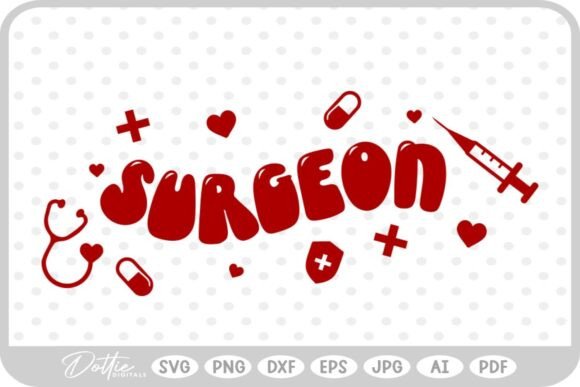
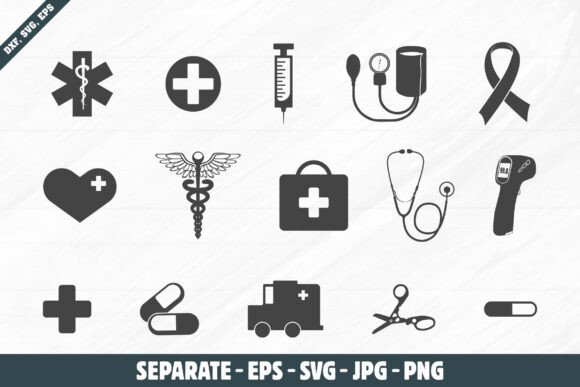
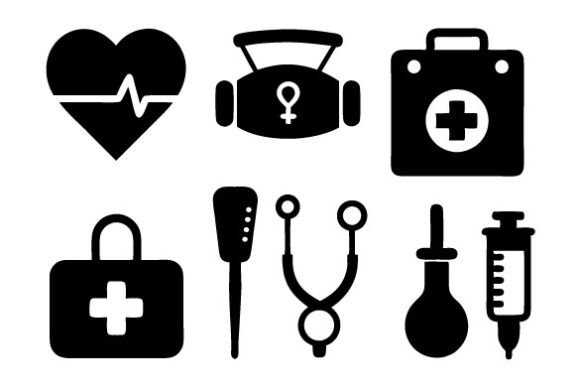
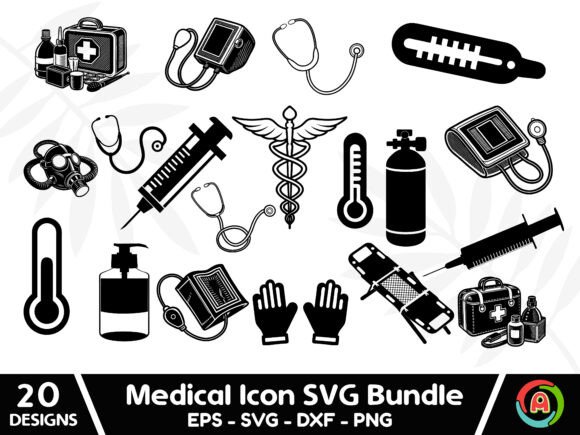
When a bundle like the Medical Icon SVG Design Bundle lands in my downloads folder, my first instinct as a designer is to look past the file list and imagine it stitched. I open the vector files and immediately start picturing where these clean, symbolic shapes would live on a finished product. The mood here is unmistakably professional, respectful, and clear. There’s a quiet confidence in these icons—they communicate expertise and care without shouting. This isn’t a whimsical, decorative set; it’s a graphics bundle with a purpose, and its visual personality is built on clarity and recognition.
First Impressions: Where This Design Naturally Belongs
The layout and detail level suggest these are meant to be understood quickly. That makes them perfect for embroidery projects where the message is key: a custom tote bag for a nurse, a heartfelt pillow cover for a medical student graduating, or a simple but meaningful apron for a doctor who loves to cook. The shapes are generally bold and open, which is a great sign for embroidery—it means they can be translated into satin stitches or clean fill areas without becoming a muddy, dense mess. My mind goes straight to a scenario: a client requests a personalized gift for their sister, a pediatrician. They want something elegant and understated for her office or home. This bundle feels like the answer.
Performance in Real-Life Embroidery Situations
Let’s talk about how this would perform on actual goods. On a heavyweight sweatshirt or a canvas tote bag, these icons would stitch out with excellent clarity. The vector-based nature means scaling up for a large patch or scaling down for a cap’s curved surface should maintain clean lines, provided the embroidery file is properly digitized from these assets. For baby clothes—perhaps a celebratory “future doctor” item—the simpler icons would work beautifully, avoiding the overly detailed corners that can pucker on thin cotton.
For small business merchandise, like items for a clinic’s gift shop or an Etsy seller focusing on professional-themed gifts, this bundle offers consistent branding elements. You could create a cohesive line: embroidered tea towels, kitchen towels, and pillow covers all using a matching icon from the set. In printable mockups for your digital product listings, the clean SVG files would present very well. The key here is that the design’s strength is its recognizability, which directly boosts product value and customer trust. A handmade item featuring a well-executed medical icon feels thoughtful and professional, increasing its giftability and buyer engagement.
Where to Use This Bundle Carefully
Even with strong vector art, embroidery has its demands. On very textured fabrics like certain blankets, the finer details might get lost unless you choose a bold, simplified version of an icon. On dark fabric backgrounds, thread color contrast becomes paramount—you’d need to test white or very light threads to ensure the design’s shape reads clearly. For curved surfaces like caps, the design would need to be adapted to a smaller hoop size, so checking that the chosen icon doesn’t have overly intricate internal lines is crucial.
Products that need frequent washing, like apparel or kitchen towels, require a durable stitch plan. Areas with potential dense stitch density should be avoided to maintain fabric flexibility and longevity. I’d advise testing any icon with small, enclosed lettering or tiny decorative accents on scrap fabric first to see if they hold up to the stitch process and washing.
How This Design Affects Your Project’s Appeal
Using this bundle correctly elevates your work. The stitching clarity of a well-defined medical icon on a custom apron, for instance, communicates craftsmanship. It turns a simple craft into a valued personalized gift. For a creative entrepreneur, it provides reliable design assets that can be replicated across different products—from an embroidered patch to a digital product preview—building brand consistency. The recognition factor is high; people immediately understand the theme, which strengthens the emotional connection and professionalism of the finished product.
Practical Notes for the Embroidery Designer
Before committing to a client project or listing an item in your small shop, do your due diligence. Always test the design on scrap fabric of the same type you’ll use. Check thread color contrast against both light and dark fabric backgrounds—sometimes a design looks great in a black and white mockup but needs adjustment in real thread. Review the stitch density in your embroidery file; a purely vector graphic is a blueprint, but the digitizing process determines the final stitch load.
Confirm your hoop size can accommodate the design with good detail retention. Use proper stabilizer for the fabric, especially for stretchy fabrics or layered garments. Crucially, while the product description mentions being created without copyright restriction, you must confirm the specific licensing for yourself before selling finished items or commercial embroidery projects. Understand the terms for both personal and commercial use. This step protects your craft business and builds customer trust.
In essence, the Medical Icon SVG Design Bundle is a toolkit. Its value isn’t just in the multiple file formats—the EPS, PNG, SVG, DXF files—but in the potential they unlock for meaningful, well-crafted embroidery projects. It feels suited for the maker who wants to create something that resonates with purpose, from a holiday gift for a healthcare worker to a line of boutique products for a medical-themed shop. Approach it with a practical eye, test it thoroughly, and it can become a reliable asset in your design library.