In My Trauma Nurse Era Embroidery Design Review
A Personal Design Perspective
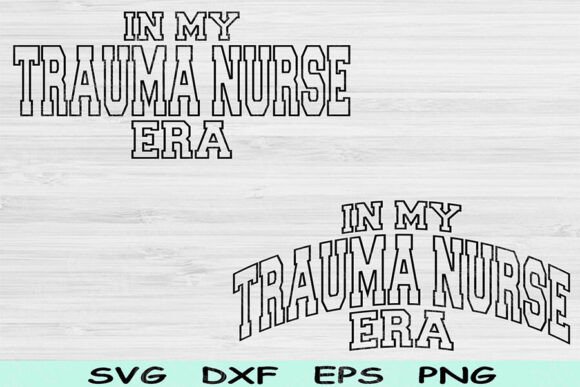
I’ve spent a good while looking at In My Trauma Nurse Era Svg Dxf Png Cut, thinking about where it would shine. As a designer who reviews digital embroidery files for practical use, my first instinct isn't just aesthetic; it's about application. This design, with its playful ‘era’ framing around a serious profession, has a specific personality. It’s confident, a bit trendy, and proudly personal. It doesn’t feel like generic medical merch; it feels like a statement piece for someone who lives that life. The layout is straightforward—the text is the hero—which means its success in embroidery hinges entirely on execution.
The Mood It Creates and Where It Belongs
This design creates a mood of proud, insider humor. It’s for the trauma nurse who embraces the intensity of their role with a lighthearted, pop-culture wink. That mood translates best onto items meant for personal use or gifts within that community. I immediately pictured it on a well-made tote bag for a nurse carrying their daily essentials, or centered on the back of a high-quality sweatshirt. It feels right for a personalized gift among colleagues—something for a retirement, a promotion, or a tough shift survived. In a craft business context, this isn't a mass-market graphic; it’s a niche product with high resonance for a specific group. That’s its strength.
Real-Life Embroidery Scenario: The Custom Tote Bag
Let’s walk through a real case. Imagine you’re preparing a custom embroidered tote bag as a gift for a nurse friend. You’ve chosen a sturdy, mid-weight canvas. Using In My Trauma Nurse Era Svg Dxf Png Cut, you’d focus on clarity. The lettering needs to be crisp. On a bag, the design area is larger, so stitch density becomes important to prevent a sparse, underwhelming fill. A satin stitch for the bold ‘Trauma Nurse’ text would give that professional, glossy look, while the ‘in my… era’ framing might work well with a cleaner running stitch to keep it from becoming too bulky. The result? A useful, daily item that feels thoughtfully made, not just decorated. That’s the kind of finished product this design encourages.
Performance Across Different Projects
This design’s simplicity is its adaptability. For custom apparel like t-shirts, placement is key. Center chest or left shoulder for a subtle look; full back for statement. On a sweatshirt, the thicker fabric handles denser embroidery well, making this a safe, impactful choice. For baby clothes or nursery decor aimed at a nurse parent, scale it down carefully—the sentiment is sweet, but the text must remain readable. As an embroidered patch, it would be fantastic; applique techniques could make it pop on a backpack or a work bag. For home goods like apron or pillow covers, it adds that personal, conversational touch. In a craft business, this file is a solid digital asset for creating limited-run merchandise for Etsy listings or craft fair products targeting medical professionals.
Where to Exercise Caution
While adaptable, some applications require extra forethought. The main caution is with small hoop sizes and consequently, small lettering. If you reduce the design too much for a cap or a baby item, the thin parts of the lettering, especially in ‘era,’ could lose clarity and become a blur of stitches. Textured or stretchy fabrics like certain knit sweaters demand excellent stabilizer to keep the text from distorting. On dark fabric backgrounds, thread color contrast is paramount; a white or bright satin stitch might need an extra layer of stabilizer to prevent puckering. Also, consider products that need frequent washing, like kitchen towels or work shirts. A densely stitched design on thinner fabric might wear faster. Always test on a scrap first.
Impact on Your Craft Business and Customer Trust
Using a design like this effectively affects more than just the stitch. For Etsy sellers and small shop owners, a well-executed embroidery of this graphic on a product photo signals quality. The handmade presentation feels intentional, not slapped on. It builds customer trust because it shows you understand the niche—you’re not just selling a generic graphic. For personalized gifts, its giftability is high because the message is so specific and current. In commercial embroidery projects, say for a hospital gift shop, it offers recognition and a sense of community for staff. Your brand consistency, if you specialize in medical or profession-themed items, gets stronger.
Practical Designer Notes Before You Hoop It
Here are my pragmatic steps, the ones I take before any client project or listing a new handmade product:
- First, always test the design on scrap fabric identical to your final product fabric. This reveals truth about stitch density and thread tension.
- Check thread color contrast thoroughly. Do a mockup in both black and white backgrounds. Does it hold its visual weight?
- Review the stitch path in your software. Are there any tiny corners or details in the lettering that might need simplification to embroider cleanly?
- Confirm your intended hoop size can accommodate the design at the size you want without compromising detail.
- For textured fabrics, select your stabilizer with extra care. This is often the difference between a professional and a messy result.
- Most crucially, confirm the licensing of the digital file before selling finished items or commercial embroidery projects. The product description notes these are digital artwork files for making your items, but specifics matter. Ensure your use—personal gift or business product—is covered.
Final Thoughts on Its Place in Your Work
In My Trauma Nurse Era Svg Dxf Png Cut is a graphic with a clear purpose and audience. In embroidery, its value comes from its resonant message, not intricate detail. That makes it a reliable, project-ready file for the right occasion. It won’t be the most complex design in your library, but for creating a product that feels personally crafted and thoughtfully targeted, it’s a strong choice. Your job as the embroiderer is to give it the technical care—the crisp stitches, the right fabric pairing, the clean finish—that lets its personality shine through. When you do that, the finished product speaks directly to someone, and that’s the best outcome any embroidery project can have.