Mortar and Pestle: A Versatile Embroidery Design for Authentic Style
As a designer who stitches everything from custom apparel to boutique products, I'm always evaluating a digital file for its real-world potential. The Mortar and Pestle SVG, Medical Herb design immediately struck me as something with a distinct, grounded personality. It’s not a loud or trendy graphic; it’s a symbol of craft, care, and natural wellness. That’s a powerful starting point.
The First Impression: Heritage and Craftsmanship
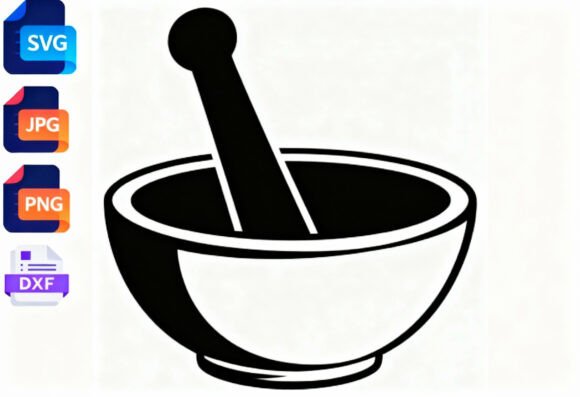
The shape and layout feel balanced and illustrative, suggesting it would translate beautifully into an embroidery file. The detail level in the mortar and pestle itself, paired with the herbal elements, creates a mood of authenticity. This isn’t a cartoon; it’s a graphic with a classic, almost artisan visual personality. It naturally belongs to projects where you want to convey a sense of handmade quality, tradition, or a connection to natural ingredients.
Where This Design Thrives in Practical Projects
I pictured this on a custom tote bag for a local herb shop or a cozy, embroidered sweatshirt for a gardener. The theme is inherently giftable—think personalized kitchen towels, a beautifully stitched apron, or a pillow cover for someone who loves their cottage-core aesthetic. For small business merchandise, like a tea towel or a simple patch, it adds value through its recognizable, wholesome symbolism.
In my mind, I’m already placing it on a canvas tote. The design’s solid central icon would allow for clean, bold satin stitch borders on the mortar, while the herbal accents could be handled with deft running stitch or lighter fill stitch details. It feels like a design that would earn a second look from customers at a craft fair, not because it’s flashy, but because it’s genuine. For an Etsy seller specializing in herbalist gifts or rustic nursery decor, this design could become a core part of their brand consistency.
Navigating the Stitching Process: A Practical Review
Moving from the concept to the hoop, there are always considerations. For a machine embroidery design like this, the clear shapes are a plus. However, the smaller herbal details and any potential tiny lettering (if the version includes text) require attention. On a curved surface like a cap, I’d be mindful of those finer elements—they might need simplification depending on the hoop size.
Stitch density in the main mortar shape will be key. On textured fabrics like a heavyweight sweatshirt, a denser fill stitch will look rich. On a thinner fabric for a baby blanket or lightweight apparel, you’d want to test the file to ensure the density doesn’t pucker or overwhelm the material. Dark fabric backgrounds demand thoughtful thread color contrast; a mockup in black and white is a great first step to check visual clarity.
Scenarios Where You Should Proceed with Care
This design should be used carefully on very small hoop sizes where the finer botanical details could get lost or become overly dense. Stretchy fabrics always need the right stabilizer, but here, the design’s defined edges would benefit from extra stability to keep the mortar outline crisp. For products destined for frequent washing, like kitchen linens, opting for robust thread and checking that small stitch areas are secure is a must.
Overall, its visual appeal lies in its clarity and theme. It won’t look “busy” after stitching if handled well, which boosts professionalism and buyer engagement. A cleanly embroidered mortar and pestle on a simple tea towel immediately feels like a thoughtful, handmade product, elevating it beyond a generic graphic.
Designer Notes for a Successful Embroidery Project
My standard advice applies strongly here: always test the design on scrap fabric first. Match your fabric texture to your final product—a test run on a canvas scrap for a tote bag, or a cotton scrap for an apron. This lets you review the actual stitch density, inspect how the small details render, and confirm your chosen hoop size works.
Since the product description mentions it comes in multiple formats including SVG and PNG, this flexibility is excellent for digital product sellers creating printable mockups or other design assets. However, for the embroidery itself, you’ll be working from your converted embroidery file. Crucially, before using this for commercial embroidery projects or selling finished items, you must confirm the licensing terms provided with the file bundle. This step is non-negotiable for protecting your craft business.
The Mortar and Pestle SVG, Medical Herb design is a strong, versatile graphic. Its real value is unlocked when you pair its inherent aesthetic with practical embroidery know-how. It’s a design that, when stitched with consideration, can create products that feel both timeless and thoughtfully made.