In My PCT Era: A Design Review for Crafters
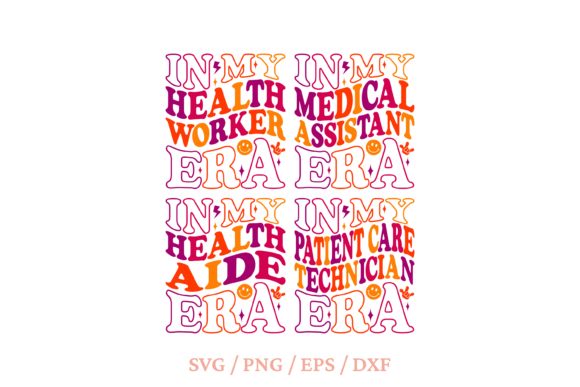
When a new design lands in my project folder, my first instinct is to imagine it stitched out. Not as a flat graphic on a screen, but as threads on fabric, on a finished product in a customer's hands. That’s the lens I’m applying to the “In My PCT Era SVG, Medical Assistant SVG” design bundle. Let’s walk through what this design offers from the perspective of someone who’s about to load it into an embroidery machine or use it to create a handmade product.
The First Impression: Celebratory & Professionally Playful
The phrase “In My PCT Era” immediately taps into a cultural moment, blending personal pride with professional identity. For a medical assistant or someone in phlebotomy, this isn’t just text; it’s a badge of honor. The design feels celebratory and confident. The layout likely allows the wording to be the star, which is excellent for embroidery where clean, readable lettering is crucial for impact. The mood is friendly, modern, and proud—perfect for creating gifts or merchandise that feel personal and current.
This isn’t a generic medical logo. It has a personality. That visual personality suggests it belongs on items meant for wear, display, or gift-giving, rather than purely utilitarian office decor. I envision it on apparel, tote bags, or patches where that pride can be visibly shared.
Where This Design Excels in Real Projects
Thinking through my upcoming projects, this design naturally fits several key areas. For custom apparel, like sweatshirts or t-shirts for a graduating medical assistant, it’s a winner. It’s specific enough to feel deeply personal, which increases its value as a personalized gift. For a small business owner, perhaps an Etsy seller creating nurse or medical student appreciation items, this design could become a staple in their lineup.
Consider a practical scenario: I’m preparing a custom embroidered tote bag for a phlebotomy technician’s birthday. The “In My PCT Era” design is ideal. A tote is a functional, everyday item they’ll use at work or beyond. Embroidering this statement on it transforms a simple bag into a meaningful, professional keepsake. The design’s scale, averaging around 11 inches at its tallest point, means it can be a bold, central feature on a bag’s panel without needing tiny, fussy details.
Other strong applications include embroidered patches for jackets or backpacks, aprons for a clinic’s staff day, or pillow covers for a dorm room. It would also work beautifully on kitchen towels or blankets as a holiday gift for a healthcare worker—something acknowledging their specific career path, not just a general “medical” theme. For boutique product lines, it adds a niche, targeted offering that can engage a dedicated audience.
Visual Appeal and Professional Presentation
When stitched out, the clarity of the lettering will be paramount. A clean, well-digitized file (which the inclusion of SVG, EPS, and DXF formats suggests) should translate into clear satin stitches or fill stitches for the text, making it pop on the fabric. This clarity directly impacts customer trust and the professionalism of the finished product. A crisp, readable embroidery job makes a handmade item look intentional and high-quality, not homemade in a pejorative sense. For craft business owners, that perceived value is what turns a viewer into a buyer.
Considerations for Successful Stitching
While the design’s size is generous, this brings its own considerations. On curved surfaces like caps, a 11-inch tall design is obviously not feasible. You would need to scale it down significantly, and here, the quality of the vector files (SVG, EPS) becomes crucial. Resizing a vector-based design should maintain integrity, but always test on scrap fabric first. Check the stitch density when scaled—tiny lettering at a small size can become dense and puckered if not digitized well for reduction.
Thread color contrast is another key note. On dark fabric like navy or black sweatshirts, you’ll need a bright, opaque thread (or possibly a backing stabilizer technique) to ensure the statement shines. On textured fabrics like towels or some blanket materials, a robust stabilizer is non-negotiable to prevent the design from getting lost in the weave.
For items that need frequent washing, like apparel or kitchen towels, a good, dense stitch fill will hold up better over time than very fine, single-line details. Inspect the design’s small details in your software before stitching; ensure corners and connections are clean to avoid thread breaks or snags in the final embroidery project.
Advising the Maker: Practical Designer Notes
My routine before committing any design to a client project involves a few checks. For this one:
- Run a test stitch, even a small section, on the actual fabric type you plan to use (cotton, polyester, canvas for tote bags).
- Check it in both black and white mockups in your software to preview how it will look on light and dark fabric backgrounds.
- Confirm the hoop size needed for your intended final size. The provided PNG at 300dpi is great for printable mockups or previews in your Etsy listings, but for embroidery, the vector files and your machine’s capabilities dictate the hoop.
- Always, always confirm licensing before selling finished items or digital products. The description notes the files can be used for scrapbooking, cut machines, and printable decoration. This suggests versatility, but for commercial embroidery file use, you must verify the license covers selling the physical embroidered product. Do not assume.
The inclusion of multiple file formats (PNG, SVG, EPS, DXF) is a significant advantage. It means you can use this design not only for machine embroidery design conversion but also for creating coordinating items like printed cards, vinyl decals, or digital product previews, creating a cohesive brand offering for a craft business.
The Final Product Feeling
Ultimately, the success of “In My PCT Era SVG, Medical Assistant SVG” in your work boils down to its targeted emotion. It’s a design that says, “This is my current chapter, and I’m proud of it.” That resonates. Whether you’re embroidering it on a baby item for a new mom returning to her PCT career, on a holiday gift for a colleague, or as stock for your small shop merchandise, it carries a built-in story. That story enhances giftability, recognition, and buyer engagement. People buy handmade items that speak to them, and this design speaks clearly.
Approach it with the practical steps above, and it can become a reliable, appealing asset in your lineup of design assets for commercial embroidery or personal crafting. Just remember to stitch with intention, match the design to the right product, and let that celebratory mood come through in every thread.