A Designer's Take on the Nurse Practitioner Embroidery Design
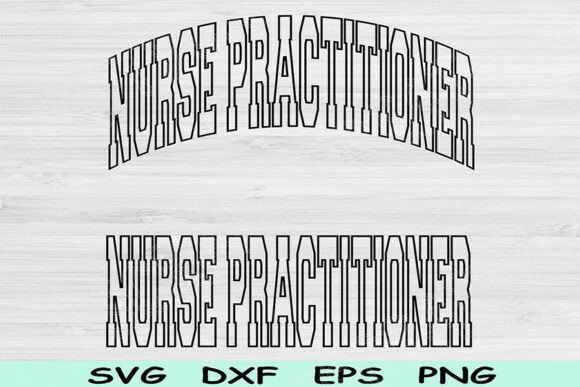
When I opened the Nurse Practitioner Svg Cut File, Nurse, my first thought was about clarity. The core message—“Nurse Practitioner”—is presented cleanly. It’s not overly ornate or cluttered. This gives it a straightforward, professional mood, which is precisely what you want for a design honoring this vital role. It feels respectful and dignified, a design that would convey pride rather than just decoration.
Where This Design Finds Its Best Home
This embroidery file naturally belongs to projects meant for recognition and appreciation. Imagine a custom embroidered tote bag for a nurse graduating to practitioner level. The clean lettering would stitch out crisply on the bag’s fabric, creating a durable, everyday item she could use with pride. It would also be a thoughtful addition to a personalized gift like an apron or a pillow cover for a home office. The design’s simplicity translates well to sweatshirt embroidery or a polo shirt, items that might be worn in a casual professional setting or as a gift from family.
For craft business owners or Etsy sellers, this design is a solid design asset for creating merchandise around healthcare appreciation. It could be used for embroidered patches, baby embroidery on a blanket for a nurse’s new child, or even holiday embroidery on a tea towel as a thank-you gift. Its straightforward nature aids in brand consistency if you’re a shop specializing in profession-themed items.
Navigating Real Fabric and Thread
In practice, the success of any machine embroidery design hinges on how it interacts with real materials. Because this design relies on text, stitch density and hoop size become critical. On a dense fabric like a canvas tote, the fill stitches for the letters will hold up beautifully. On a thin or stretchy fabric like a standard t-shirt, you’ll need a good stabilizer to prevent puckering and maintain the clarity of the words.
The relatively open layout means there aren’t overly dense areas that could become stiff, which is a plus for wearability on custom apparel. However, on smaller items like a cap’s curved front, the scale needs careful adjustment. The lettering details, if scaled too small, might lose definition. Always test the design on scrap fabric first, especially if you plan to stitch on dark fabric where thread color contrast is paramount. A bold white or light blue satin stitch would pop effectively.
A Word on Visual Appeal and Customer Trust
A clean, well-embroidered version of this design elevates the finished product. For a customer or recipient, it reads as intentional and high-quality. It doesn’t look like a generic, mass-produced graphic. This builds customer trust and enhances the handmade product’s perceived value. For a small shop product, it’s a design that feels both professional and personal, which is a sweet spot for giftability and buyer engagement.
Scenarios Where You Should Proceed with Caution
This design should be used carefully when the final product has specific functional demands. If you’re creating an item that will need frequent washing, like a kitchen towel or a baby’s garment, consider the thread type and stitch integrity. Also, for very small hoop sizes, you risk compromising the legibility of “Practitioner.” It’s a longer word, and cramming it into a tiny space might require simplifying the design or opting for a different layout.
Textured fabrics, like a thick sweater, can sometimes obscure clean lettering. Always check thread color contrast and consider using a slightly heavier satin stitch width to ensure the text stands out against the texture. I also recommend test it in black and white mockups or compare light and dark fabric backgrounds digitally before stitching. This helps you visualize the final impact.
Practical Notes for the Embroidery Designer
Before committing this to a client project or your craft business inventory, here are my hands-on notes. First, review stitch density in your embroidery software as you size it. Ensure the letters don’t become overly thin. Inspect small details like the spacing between letters; tight spacing on small scale can lead to stitching blends. Second, confirm the hoop size needed for your target item—a large tote bag might require a bigger hoop than a baby embroidery blanket.
Crucially, confirm licensing before selling finished items or digital products. The product description notes these are digital artwork files that can be used, but it’s your responsibility to understand the terms for commercial embroidery use. This protects your business and respects the designer’s work.
Finally, think about the embroidery project holistically. Does this Nurse Practitioner Svg Cut File, Nurse fit the emotion you want the item to carry? For a celebratory gift, it’s excellent. For a more subtle, everyday recognition item, it also works. Its strength is in its clear, uncluttered message—a message that, when stitched with care, turns a simple piece of fabric into a meaningful token of appreciation.