An Embroidery Designer's Take on 'Living That Nurse Life'
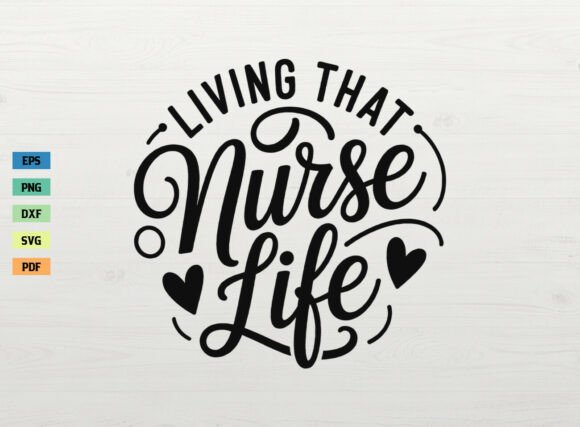
When a new SVG file lands in my inbox, my first question isn't about the file formats. It's about the story it tells when stitched. Today, I'm looking at the Living That Nurse Life SVG Cutting File, imagining it transformed from a digital graphic on my screen into thread on fabric. This is a design that feels personal, a badge of honor, and my job is to figure out where it truly belongs.
The Immediate Mood & Visual Personality
The phrase “Living That Nurse Life” carries a weight of dedication, pride, and daily grind. As a designer, the first thing I note is the theme’s inherent connection to a specific community. This isn't a generic graphic; it’s an identity piece. The layout, depending on the specific design file, likely leans towards a bold, readable statement—perfect for embroidery where clarity is king. The mood is confident, celebratory, and professional, without being overly clinical. It feels like something meant to be worn or displayed, not just printed.
In my mind, I’m already picturing it on a well-made canvas tote bag for a nurse carrying her daily essentials, or as a prominent feature on the back of a soft, premium sweatshirt. The visual personality suggests it would shine as a satin stitch lettering project, perhaps with a clean fill stitch background element if the design includes more than text. The detail level needs to be assessed for embroidery translation; tiny decorative flourishes can become problematic in thread, whereas bold, clean lines are an embroidery designer’s friend.
Where This Design Finds Its Perfect Home
Let’s walk through a real scenario. I have a client who runs a small online boutique for healthcare professionals. She wants a unique, embroidered patch to apply to high-quality scrub caps as a personalized gift for a nursing team. The Living That Nurse Life SVG Cutting File immediately comes to mind. Its theme is directly on-point. For a patch, the design needs to be dense enough to look substantial but not so dense that it makes the fabric stiff. I’d test it on scrap fabric first, checking how the stitch density translates, ensuring the edges are clean for potential applique techniques.
Beyond patches and custom apparel, this design has natural affinity for:
- Personalized gifts: Embroidered pillow covers or blankets for a nurse graduating or retiring.
- Small shop merchandise: Embroidered tea towels or aprons for a cafe with a nurse owner, or boutique baby items for a nurse-mom.
- Home decor: Subtle nursery decor for a parent in the profession.
- Branding for creative entrepreneurs: A craft business owner who is also a nurse might use this on her own branded tote bags for craft fairs.
The key is matching the design’s proud, professional tone with a product that feels equally valued. An embroidered design on a cheap, thin t-shirt might undermine that; on a sturdy, comfortable sweatshirt, it enhances it.
Performance on Real Fabrics & Products
Here’s the practical judgment. For embroidery, the provided file formats—SVG, DXF, PNG, EPS, PDF—are a good starting point for conversion into an embroidery file. But the real work begins when the needle hits the fabric.
On custom apparel like t-shirts and sweatshirts, I’d be mindful of fabric texture and stretch. A design with large fill areas on a stretchy knit could lead to distortion; a proper stabilizer is non-negotiable. For a tote bag design, the canvas or cotton is more forgiving, allowing for a cleaner, denser stitch if desired.
Baby clothes present a charming opportunity, but caution is needed. The design should be scaled appropriately—not too large—and placed on a stable part of the garment, like the chest, avoiding overly stretchy ribbing. The thread colors should be soft yet contrasting enough for clarity. For caps and hats, the curved surface demands a design that can be hooped effectively and has details that won’t pucker on the curve.
In all these embroidery projects, the visual appeal hinges on execution. A clean, crisp rendition of this design speaks to quality, building customer trust for a small business owner or an Etsy seller. It turns a digital graphic into a tangible, handmade product with perceived value.
Careful Application: Where to Proceed with Caution
Not every project is a perfect fit. My designer instincts flag a few areas for extra attention.
- Very small hoop sizes: If you want a miniature version on a cuff or collar, the lettering must be tested. Tiny details can blur into a thread blob.
- Dark fabric backgrounds: The contrast needs planning. A white or light-colored thread scheme might be standard, but on dark navy or black, you may need to adjust thread colors or use a lighter backing to pop.
- Products requiring frequent washing: For kitchen towels or everyday wear, the stitch density should be balanced. Overly dense areas can wear faster under abrasion.
- Layered garments or textured fabrics: Fleece, terry cloth, or quilted materials require different stabilizer strategies and possibly a reduction in detail.
Always, always test on a scrap of the actual fabric you plan to use. It’s the single best practice for any serious embroidery designer or apparel decorator.
The Impact on Value, Engagement, and Your Craft Business
Using a design like this isn't just about stitching; it's about communication. For a creative entrepreneur, it affects brand consistency. If your shop caters to healthcare workers or sells gratitude gifts, this design aligns perfectly, enhancing your niche authority.
Its giftability is high. An embroidered item with this sentiment feels considered and specific, far more personal than a generic store-bought gift. The recognition factor is instant for the recipient, creating immediate engagement.
For commercial embroidery or selling finished products, the professionalism of the final stitch job is paramount. A well-executed version on a premium product can become a staple in your craft business lineup. It also works beautifully for creating printable mockups in your digital store, showing potential buyers exactly how it could look as a finished, embroidered product.
Practical Notes Before You Hoop
Before you commit this to a client’s project or your own merchandise, here’s my checklist:
- Convert the SVG file and test the embroidery path on scrap fabric first. Look for any unexpected jumps or awkward corners.
- Check thread color contrast against your intended fabric. Create simple black and white mockups to see the form without color distracting you.
- Review the stitch density in your embroidery software. Can it be adjusted for different fabric weights without losing integrity?
- Confirm the hoop size needed. Does it fit your machine’s capabilities and the product’s available space?
- Inspect small details. Are any decorative elements too fine to stitch cleanly? They might need simplifying.
- Use the proper stabilizer for your fabric choice. This is half the battle for a clean finish.
- Crucially, check the licensing terms provided with the file. Confirm it allows for use in personal and commercial projects, selling finished items, before you list that embroidered tote bag on your Etsy shop.
The Living That Nurse Life SVG Cutting File, from a designer’s perspective, is more than a graphic. It’s a potential emblem, ready to be rendered in thread. Its value lies in its direct connection to a proud profession. By thoughtfully applying it to the right products, with careful technical execution, you can create embroidery work that resonates deeply, feels professionally made, and supports your creative or commercial goals. That’s the real test of a design file’s worth.