A Designer’s Take on Hospital Hallway Line Art
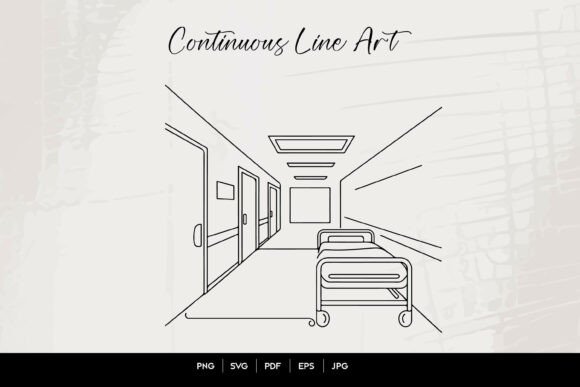
When a new embroidery design arrives on my screen, my first instinct isn’t to admire it as a graphic, but to visualize it as stitches. How will it feel on fabric? What story will it tell on a finished product? That’s the lens I’m applying to the Hospital Hallway Line Art design—a continuous line drawing of a medical corridor with a hospital bed. This isn’t a generic review; it’s a practical evaluation from the perspective of someone who plans to actually use it in projects, whether for a client, my own shop, or a personal gift.
The Quiet Narrative of a Single Line
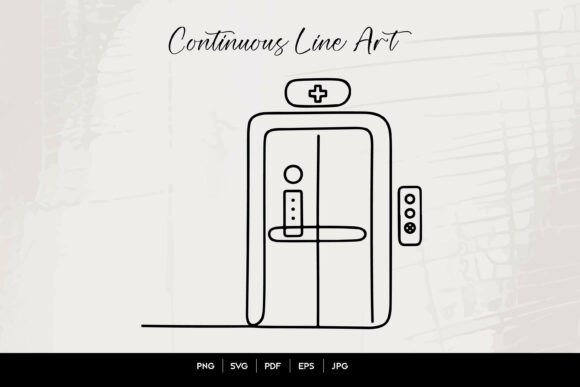
The immediate impression of this design is one of serene, respectful simplicity. The continuous line technique creates a clean, unbroken path that guides the eye through the hallway scene. It avoids clutter and harsh clinical associations, instead evoking a sense of calm, care, and order. The layout is balanced, with the bed as a focal point, and the level of detail is intentionally minimal—perfect for embroidery where excessive complexity can translate into a muddy, overstitched mess. The visual personality is thoughtful and understated. It doesn’t shout; it quietly signifies.
Where This Design Finds Its Natural Home
This artwork feels destined for projects with emotional resonance. It wouldn’t be my first pick for a bold, graphic t-shirt, but it absolutely belongs on items meant for comfort, recognition, or gratitude. I’m picturing it stitched onto a soft, cotton tote bag for a nurse’s work essentials, or as a subtle feature on a cozy sweatshirt for someone in healthcare. It would be deeply personal on a pillow cover for a patient’s recovery room or a thoughtful touch on a kitchen towel in a medical professional’s home. For baby items, perhaps a blanket for a child born in that hospital, it becomes a gentle keepsake. As a patch, it could adorn a cap or apron with meaningful pride. For small business owners, especially those in niches like personalized healthcare gifts or boutique items for medical staff, this design offers a unique, ready-to-use asset that speaks directly to a specific community.
Performance on Real Products: A Stitch-by-Stitch Scenario
Let’s walk through a real case. Imagine I’m preparing a custom embroidered tote bag as a gift for a doctor friend. I load the Hospital Hallway Line Art file—having confirmed the available formats like SVG and PNG are compatible with my embroidery machine software. My primary concern is clarity. This continuous line drawing, with its long, flowing strokes, should translate beautifully into a clean running stitch or a delicate satin stitch outline. On the bag’s canvas, I expect the design to have a handmade, illustrative quality that feels more artistic than generic.
For an Etsy seller creating holiday gifts, this design could be a standout on a simple tea towel or a framed embroidered piece, tapping into the “thank you” gift market around medical professionals. In a craft fair setting, such a specific theme might attract immediate engagement from buyers looking for something that acknowledges their profession or experience. As a digital product seller, including this in a bundle of medical-themed embroidery files adds value for creative entrepreneurs targeting that audience. The key is leveraging its specific narrative.
Careful Application: Where to Proceed with Caution
Not every project is ideal. The design’s longer lines and some detailed corners, like the bed frame, require attention. On very small hoop sizes, those details could become lost or distorted. Stitching on highly textured fabrics, thin materials, or stretchy fabrics like some t-shirts would demand a robust stabilizer to keep the linework crisp. On dark fabric backgrounds, thread color contrast is paramount—a white or light grey thread would be essential to maintain the design’s delicate, line-art feel. Applying it on curved surfaces like caps requires careful digitizing adjustment to prevent distortion. There’s no dense fill stitch area here, which is a benefit, but the continuous line means stitch density must be consistent to avoid weak-looking segments.
Why This Design Adds Value Beyond the Stitches
From a business and presentation standpoint, Hospital Hallway Line Art impacts more than just aesthetics. Its clarity on a finished product enhances perceived value—it looks intentional and professional, not sloppy or rushed. For customer trust and brand consistency for a shop focusing on medical themes, it provides a coherent visual asset. Its giftability is high due to its specific yet gentle theme. It fosters recognition and a personal connection, which drives buyer engagement far more than a generic pattern. In printable mockups for digital product listings or as a design asset for commercial embroidery projects, it presents as a usable, professional graphic.
Practical Notes From the Embroidery Hoop
Before committing this to any project, my standard protocol applies. Always test the embroidery file on scrap fabric first, ideally the same material as the final product. This reveals how the lines behave, whether any jumps or corners need adjustment. Check thread color contrast thoroughly; try it in digital black and white mockups and compare how it reads on both light and dark fabric backgrounds in your software preview. Inspect the small details in the provided files—are the corners of the hallway clean? Does the bed outline close properly? Confirm your hoop size can accommodate the design’s scale without compromising detail. Use the proper stabilizer for your chosen fabric to preserve that clean line. Finally, a crucial step: confirm the licensing terms for this graphics product. Understand clearly whether it’s suitable for both personal and commercial projects before selling any finished items or incorporating it into digital products you intend to resell.
In essence, Hospital Hallway Line Art is a thoughtfully simple design that serves a niche with dignity. It’s not a flashy all-purpose graphic, but for embroidery designers, crafters, and makers aiming to create products with specific meaning for the healthcare world, it’s a ready-made tool that, with careful application, can stitch a story of care and recognition into every project.