Beyond the Clinic: A Designer's Take on the Blood Bag Line Art
When a new embroidery file lands in my inbox, I'm not just looking at a graphic. I'm evaluating a potential partner for a project—a design that will be translated into thread and fabric, carrying a mood, a message, and a practical reality. The Blood Bag Line Art Illustration caught my eye immediately, not because it’s flashy, but because its quiet, graphic clarity speaks volumes. This isn’t a chaotic medical scene; it’s a clean, iconic outline. My first impression? It feels modern, slightly irreverent yet respectful, and deeply graphic. It carries a personality that’s confident in its simplicity.
The Shape of Things: Where This Design Naturally Belongs
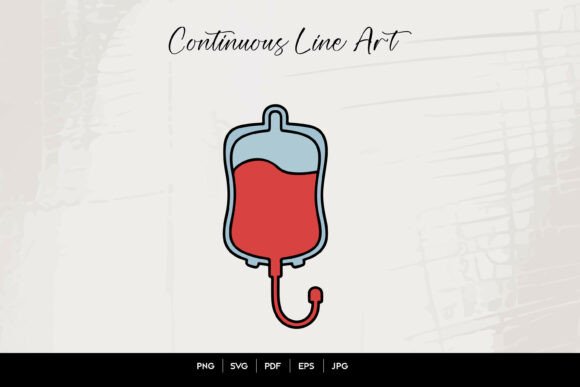
The layout is straightforward: a single, recognizable bag with its tubing, presented as a balanced line drawing. This isn’t a design begging for a giant hoop. It’s a candidate for strategic placement. I immediately pictured it as a striking, understated accent. Think a left chest placement on a minimalist black sweatshirt for a medical student, or centered neatly on a canvas tote bag for someone working in healthcare advocacy. Its mood is professional yet personal, making it ideal for custom apparel meant as a gift for a nurse, doctor, or blood donation volunteer. It wouldn’t feel out of place embroidered on a chef’s apron in a quirky, eclectic kitchen, or as a single, bold element on a pillow cover in a modern apartment.
The detail level is perfect for embroidery. There are no tiny, fussy lines that would vanish into a satin stitch. The corners are open, the shapes are distinct. This means it will hold its clarity when stitched, whether you're using a running stitch outline for a rustic look on a tea towel or a crisp satin stitch for a polished embroidered patch. That visual personality—clean, symbolic, and slightly bold—translates directly into product value. On a handmade item, it conveys thoughtfulness; it’s not a generic heart or star. For a small shop product, it adds a layer of niche appeal that can engage a specific, passionate buyer.
Stitching the Story: Real-Life Project Considerations
Let’s walk through a real scenario. I’m preparing a custom order for a client who wants a personalized gift for her sister, a newly qualified phlebotomist. She’s requested an embroidered tote bag the sister can use for work. The Blood Bag Line Art Illustration is the obvious centerpiece. Here’s how I’d think it through in practice.
On a sturdy canvas tote, the design will perform beautifully. The open lines allow for good stitch definition without excessive stitch density, which is crucial for bag fabric that needs to remain flexible. I’d likely use a medium-weight stabilizer and plan for a mid-size hoop. The graphic’s strength means it would also work well on a baby embroidery item, like a onesie for a child of medical parents, but here’s where careful thought comes in. On thin, stretchy knit fabric, I’d absolutely test it on scrap first. Those straight lines and the bag’s rectangular shape need a good stabilizer to prevent distortion. On dark fabric, the design’s success hinges entirely on thread color contrast. A bright white or a metallic silver thread would make it pop; a dull grey might lose its impact.
This design thrives on flat, stable surfaces. On curved surfaces like caps, the longer, straight line of the tubing might present a slight challenge in layout, requiring careful hooping to keep it looking fluid, not bent. It’s not a design I’d try to miniaturize for a tiny hoop on a sock, for instance. Its power is in its icon-like scale. For commercial embroidery projects, like a series of patches for a blood drive, its simplicity ensures consistency and speedy production. For a craft business creating a line of holiday embroidery gifts for medical workers, this file could be a core, recognizable design asset.
Where a Careful Hand is Needed
While versatile, the Blood Bag Line Art Illustration demands a designer’s due diligence in a few key situations. On textured fabrics like a thick sweater, the fine details of the tubing and bag port might get lost if the stitch type isn’t chosen carefully—a thicker satin stitch might be better than a fine running stitch. If you’re layering it with other elements on a garment, its clean lines need space; cramming it next to other dense designs could muddy its clarity.
For products that will undergo frequent washing, like kitchen towels or work uniforms, the integrity of the outline is paramount. You’d want to ensure your stitch settings are secure and your thread quality is high to maintain that sharp, graphic look over time. This is not a design where sloppy stitching can hide; its presentation is direct and honest, which boosts customer trust in your handmade product. It looks professional because it is professional in its execution.
From Digital File to Finished Product: The Designer's Notes
My process with a file like this always involves a few concrete steps before it ever hits a final product. First, I’d run a test on scrap fabric of the same type I plan to use—both light and dark versions if I intend to offer both. This reveals how the lines translate, whether any areas need slight stitch adjustment, and how it feels on the material. I always check it in simple black and white printable mockups to see its visual impact at a glance.
Given the product description lists multiple file formats like SVG and PNG, this embroidery file is clearly intended for broader use. This is excellent for a digital product seller creating printable mockups for their listings, or for an apparel decorator who might also use the graphic for screen printing or digital heat transfers alongside embroidery. However, a crucial note: always confirm licensing before selling finished items or digital products incorporating the design. The provided formats suggest flexibility, but the specific terms for commercial use are not detailed here, so that check is a non-negotiable step for any creative entrepreneur.
Finally, I consider its giftability and brand consistency. This design, stitched well on a high-quality apron, becomes a standout boutique product. On a baby blanket, it becomes a personal heirloom. Its recognition factor is high within its niche, which directly boosts buyer engagement for an Etsy seller targeting that audience. It’s a design that doesn’t shout; it states. And in the world of embroidery projects, that quiet confidence often speaks the loudest.